Fusion without melting.
Materials without compromise.
Laser Fusion Technologies enables industrial components to last longer, perform under harsher conditions and reduce lifecycle cost through Laser Assisted Cold Spray — a solid-state process for applying advanced materials without melting, distortion or compromise.
Critical industries are being constrained by surface failure
Surface performance is no longer just an engineering issue. It is becoming a cost, uptime, compliance and competitiveness issue.
- Erosion, corrosion, wear and thermal fatigue shorten component life
- Emissions regulation is turning surface wear into a compliance issue
- Higher loads and duty cycles are pushing surfaces beyond traditional design limits
- Lightweighting and precision requirements reduce tolerance for distortion
- Downtime, replacement and maintenance costs are rising across critical industries
What Laser Assisted Cold Spray (LACS) enables
Longer component life
Advanced coatings designed to resist wear, erosion and corrosion.
Lower lifecycle cost
Reduced maintenance, replacement and downtime burden.
Performance in harsh environments
Surface protection for components exposed to heat, friction, corrosion and extreme operating conditions.
Reduced thermal distortion
Solid-state deposition avoids the problems associated with melting-based processes.
Retention of material properties
Fine structures, carbides and temperature-sensitive materials can be preserved more effectively.
Reduced helium reliance
Improved performance using nitrogen-based systems may reduce operating cost.
Surface-performance applications across demanding industries
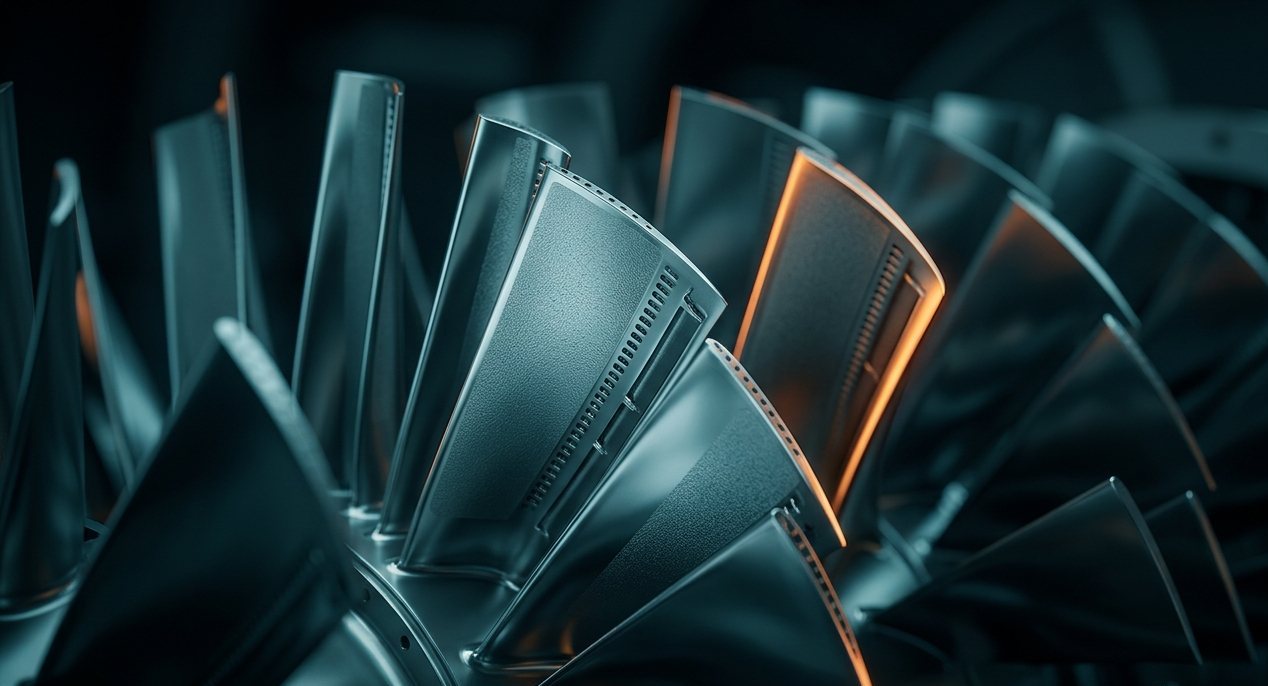
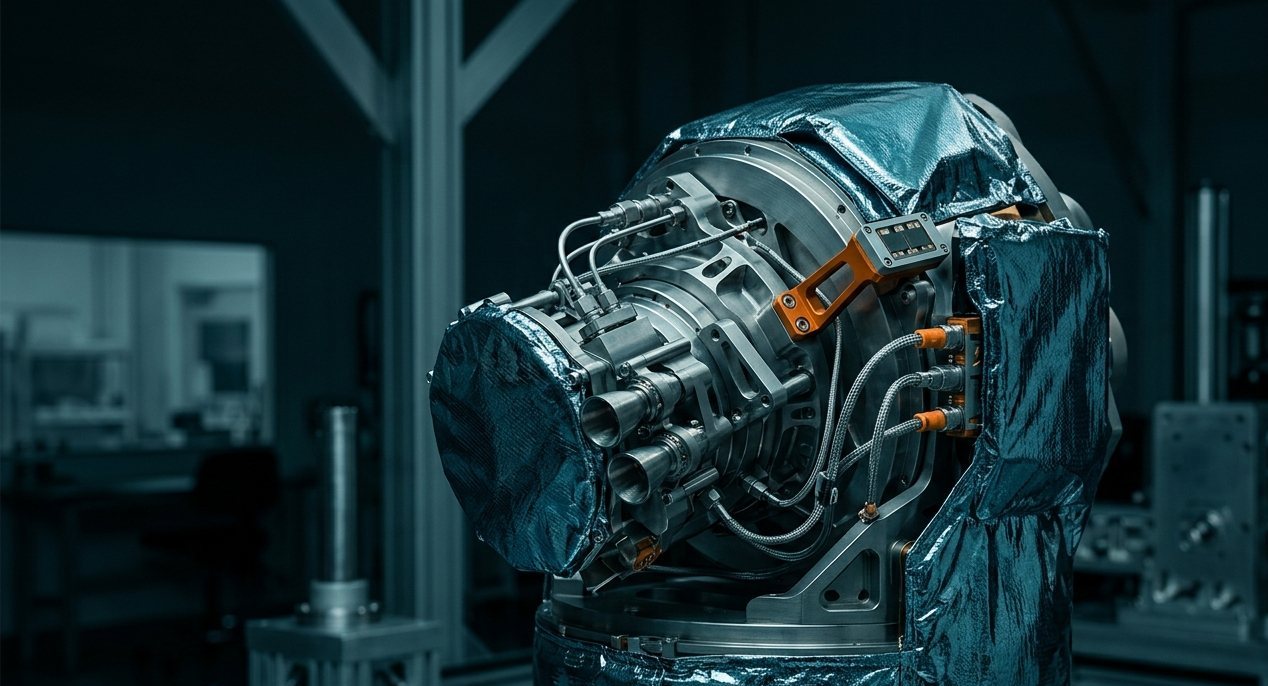
Laser Fusion Technologies’ Laser Assisted Cold Spray platform can support applications wherever surface performance affects component life, cost, uptime, emissions, thermal behaviour or dimensional stability. The four areas below represent current priority application opportunities, while the wider platform has relevance across additional industrial and high-performance environments.
Priority application areas
Current focus areas where surface-performance challenges create clear technical and commercial opportunity.

Broader platform potential
Beyond the priority application areas, Laser Assisted Cold Spray may support a wider range of surface-performance challenges where conventional coating, repair or deposition approaches are constrained by heat, distortion, material compatibility or durability.
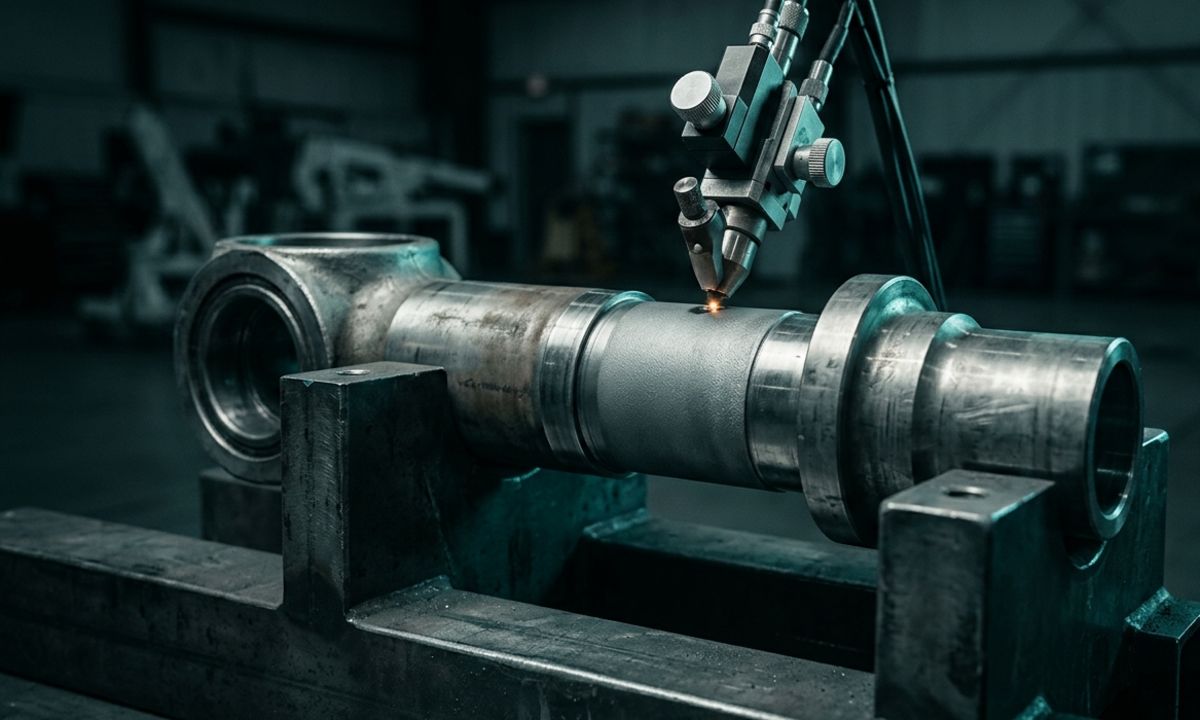
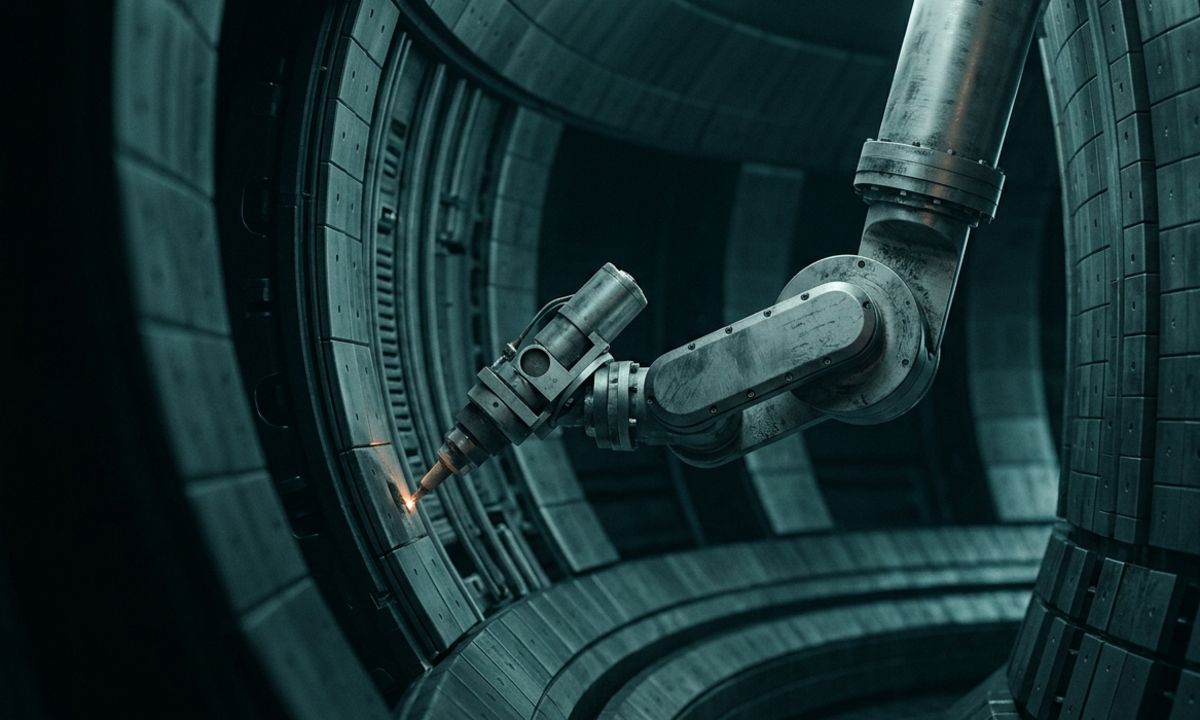
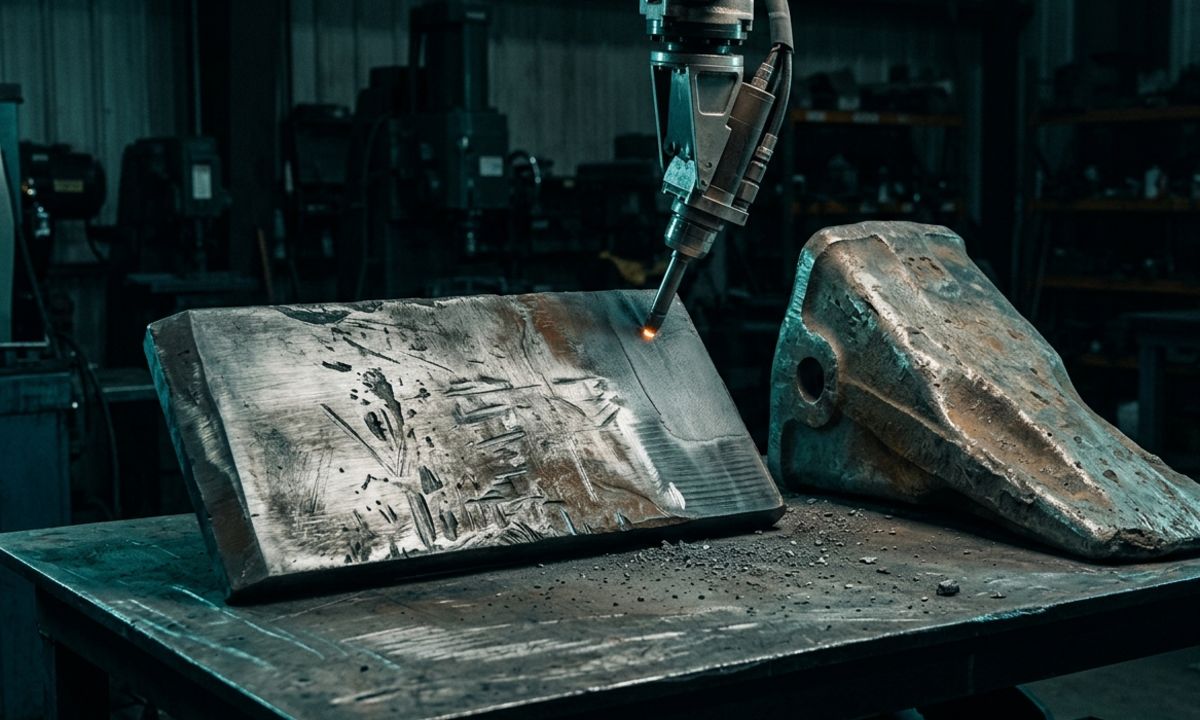
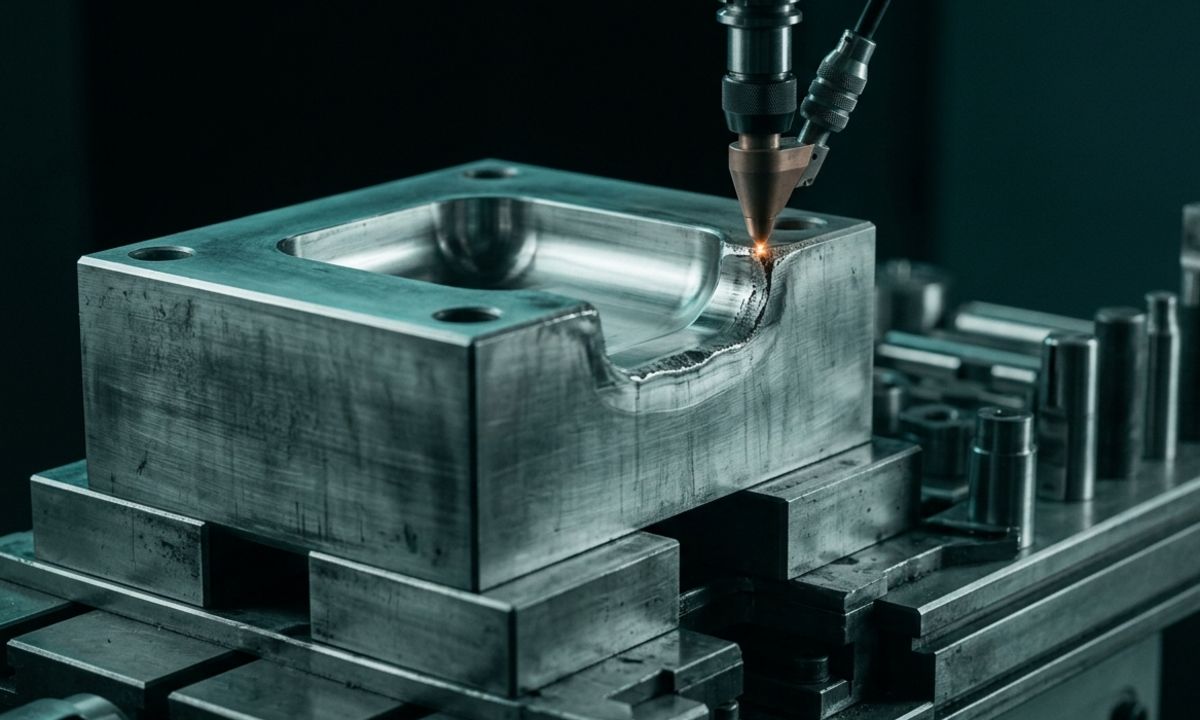
Technology in brief
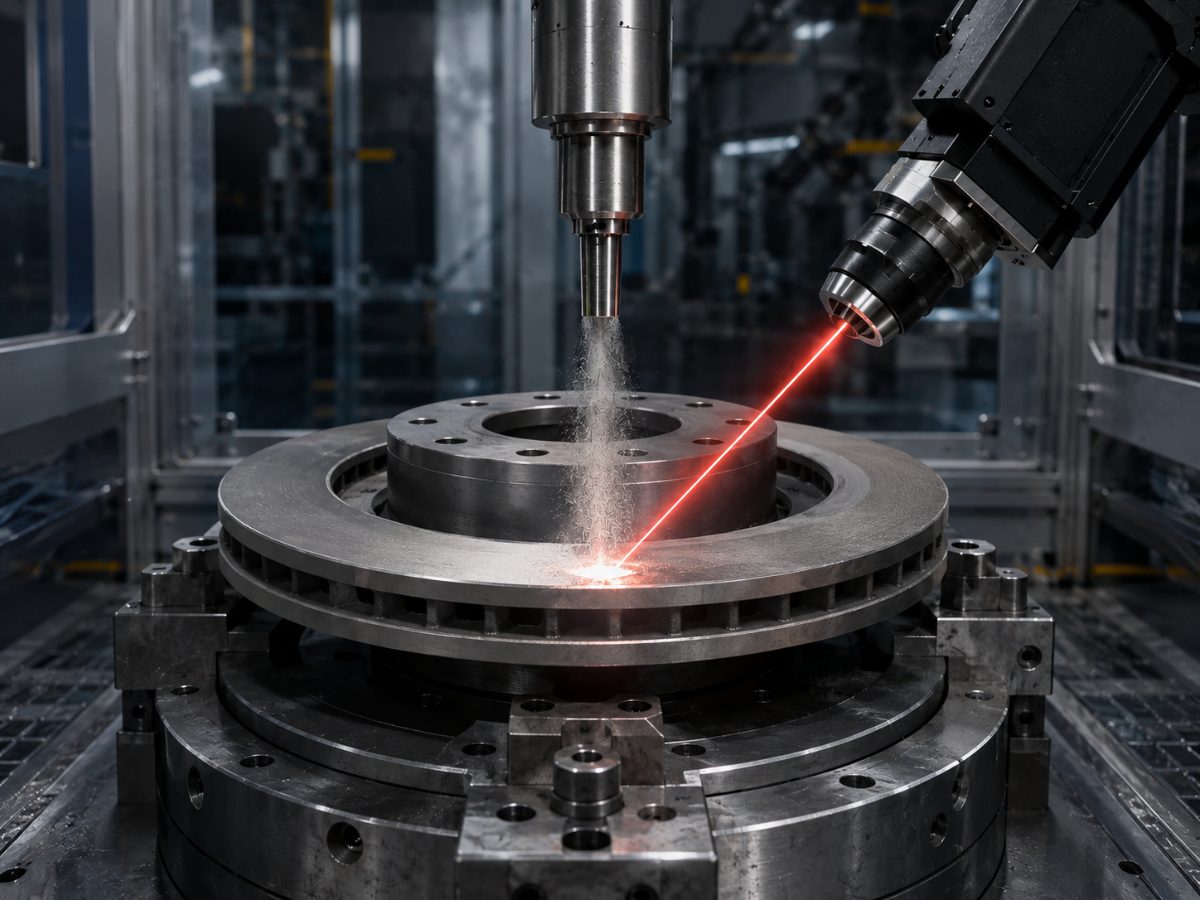
Laser Assisted Cold Spray combines high-speed particle deposition with laser-induced thermal activation. This improves bonding and material performance while avoiding the melting, distortion and material degradation associated with thermal deposition processes.
- High-speed particle depositionPowder particles are accelerated and deposited in solid state.
- Laser-induced thermal activationA laser activates the deposition zone, improving bonding — without melting.
- Dense, well-adhered coatingsStronger bonds with minimal thermal impact — microstructure retained.


Difficult materials. Dense coatings. Solid-state deposition.
LACS expands the range of materials that can be deposited effectively, including hard, difficult and temperature-sensitive material systems.
- WC-Co, tungsten, Stellite 6™, titanium, MMC and functional systems
- >1500 HV hardness · >2.5 mm multilayer builds · >81 MPa adhesion

Technical depth. Commercial focus. Industrial ambition.
- WC-Co, tungsten, Stellite 6™, titanium, MMC and functional systems
- >1500 HV hardness · >2.5 mm multilayer builds · >81 MPa adhesion
- Cambridge University developed technology
- Senior laser-based manufacturing expertise
- Materials science capability
- Machine design and application development experience
- Commercial and RevOps support for market adoption
How to Work with Us
There is no single way in. Choose the starting point that fits where you are — from a first component trial to bringing LACS in-house or co-developing the platform.
START HERE
Prove it on a component
Validate LACS against a real surface-performance problem before any commitment.
- Application trials
- Lab & component validation
WE COAT FOR YOU
Production services
Move from trial to repeatable coating delivered as a service.
- In-house production service
- On-site production service
- Customer-operated service
BRING IT IN-HOUSE
Equipment & supply
Adopt LACS within your own operations, supported end to end.
- Equipment pathways
- Consumables supply
- Service & support
PARTNER WITH US
Invest & co-develop
For investors and strategic partners backing the platform’s growth.
- Investment
- Strategic partnership
- Technical co-development
Talk to us about your application or investment interest
Bring a component, an operating environment, a failure mode or an application thesis. We’ll explore whether LACS can change the economics of the problem and what evidence would be needed to move it forward.
APPLICATION TRIALS
PARTNERSHIPS
INVESTMENT
TECHNICAL COLLABORATION